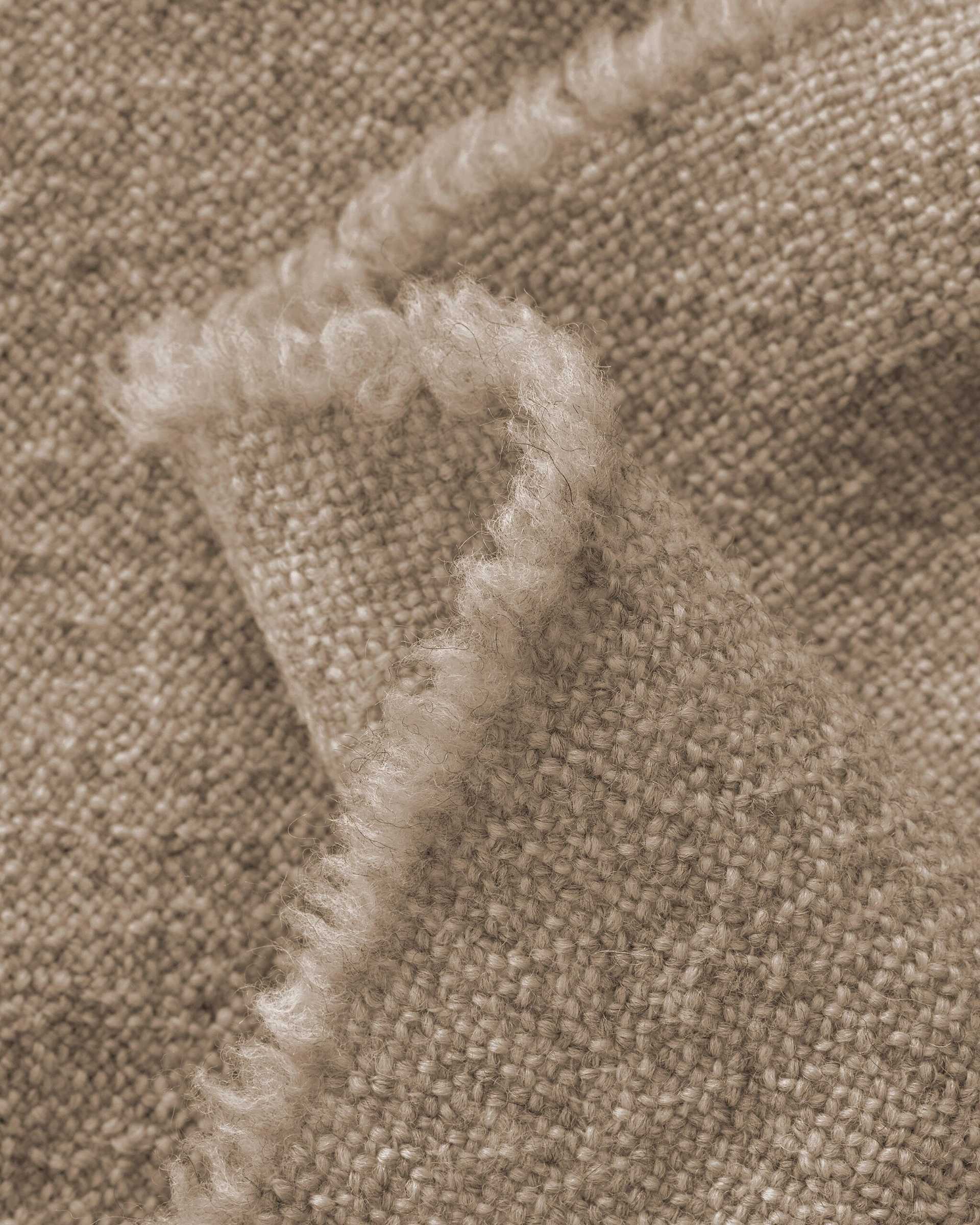
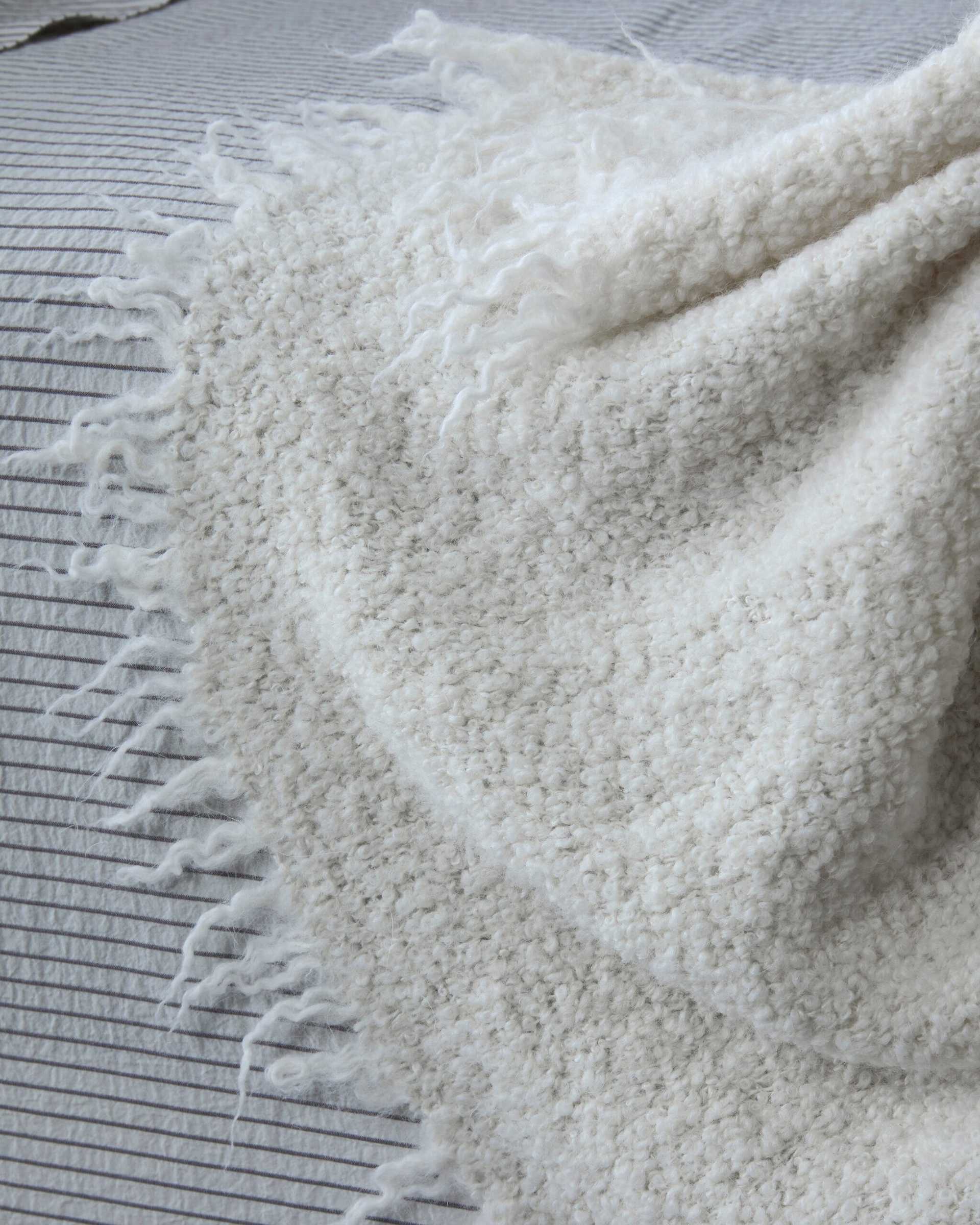
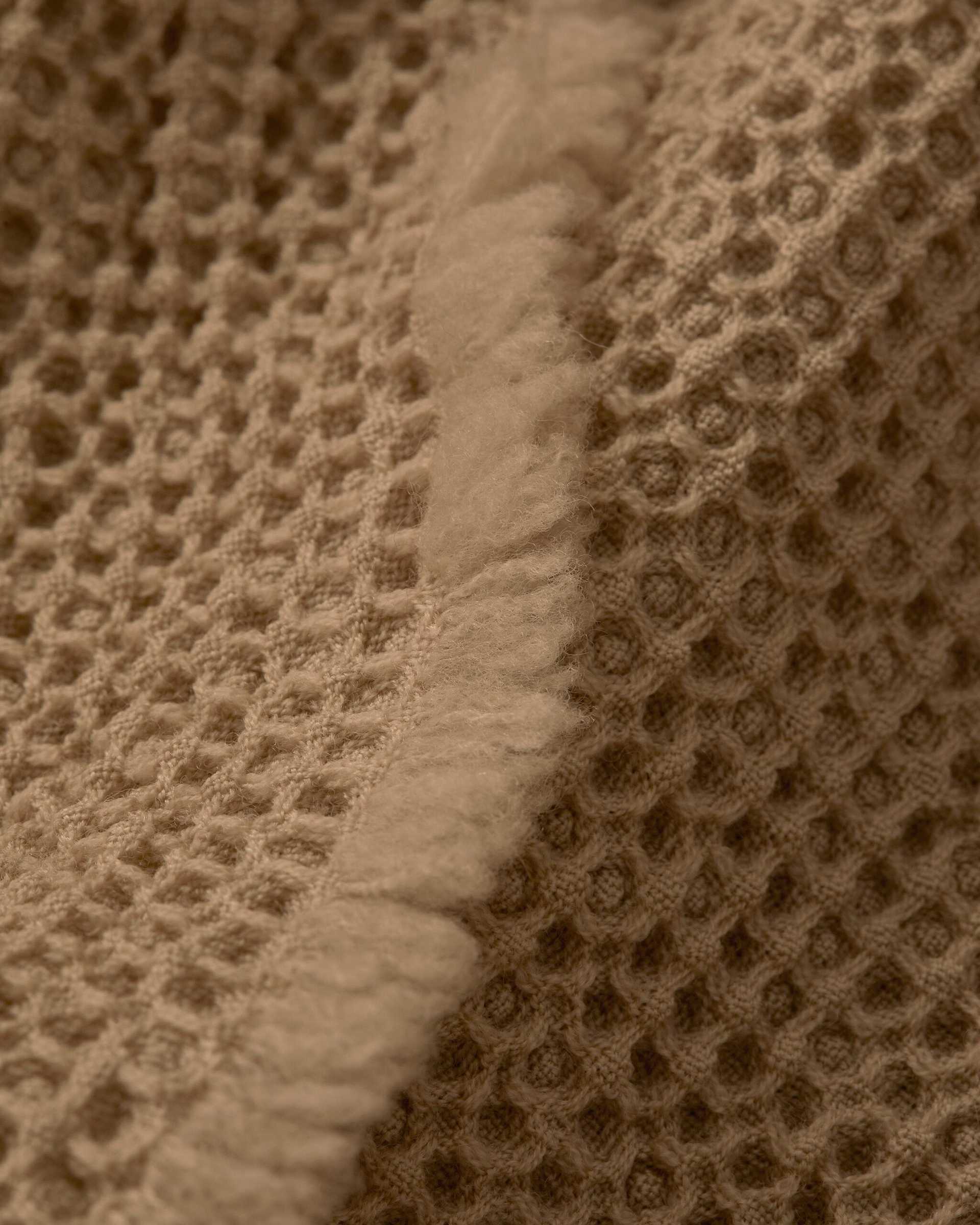
Blankets serve as versatile comfort items across living spaces, offering warmth, texture, and a layer of insulation for diverse climates. In this category, materials range from lightweight knits to plush fleece, with attention to breathability, durability, and care requirements. Understanding fabric types helps match a blanket to personal warmth preferences and room aesthetics, including bedding and nursery contexts.
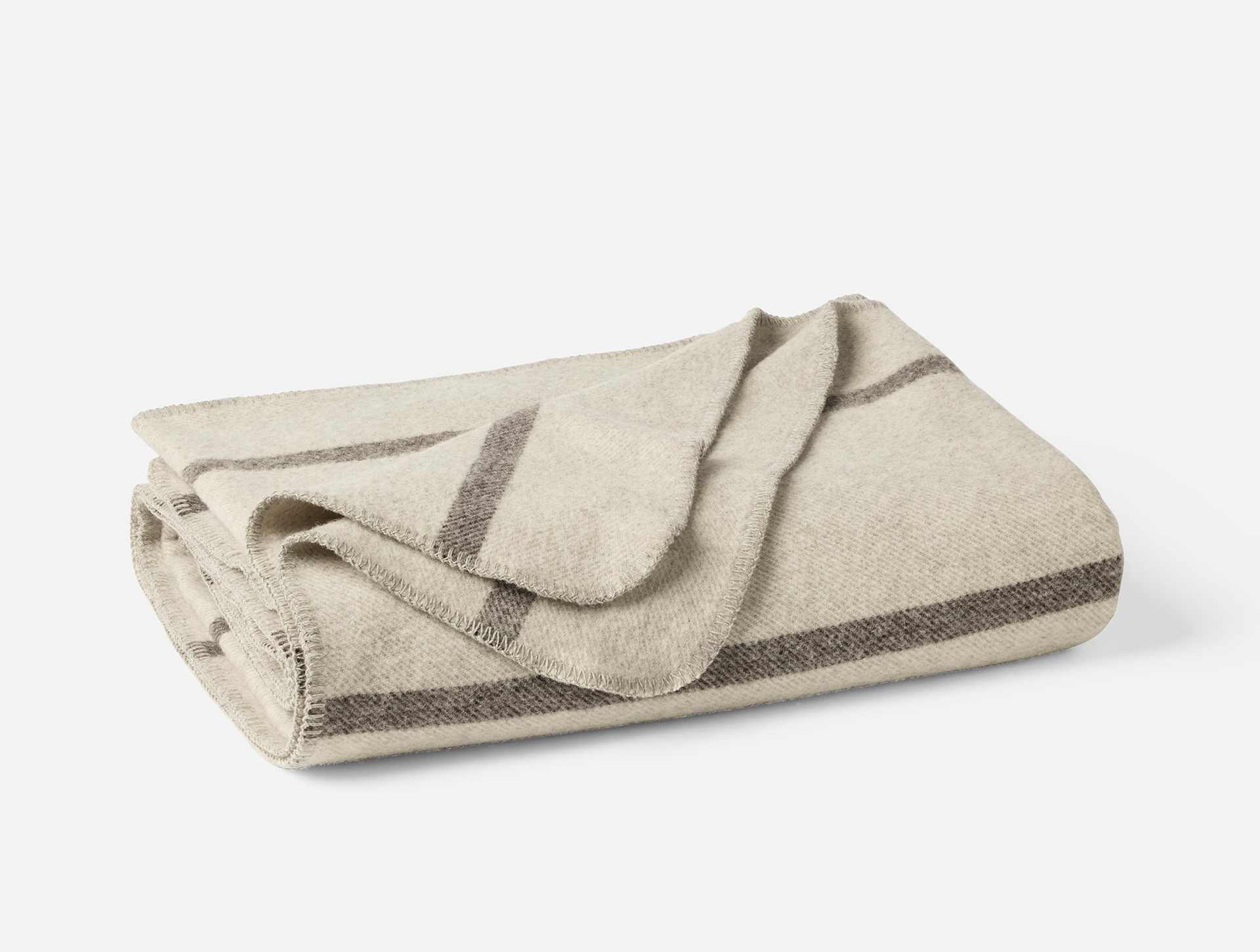
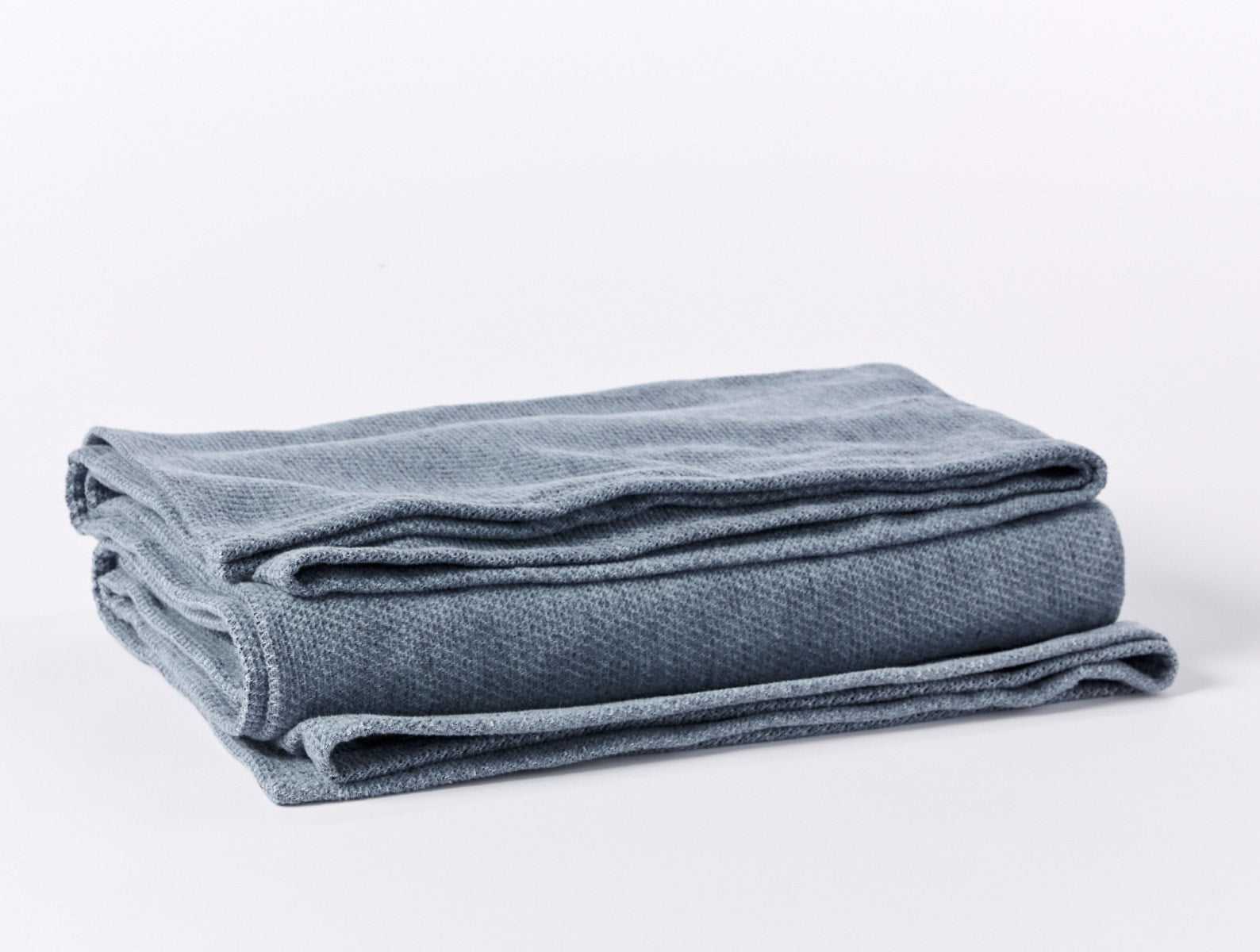
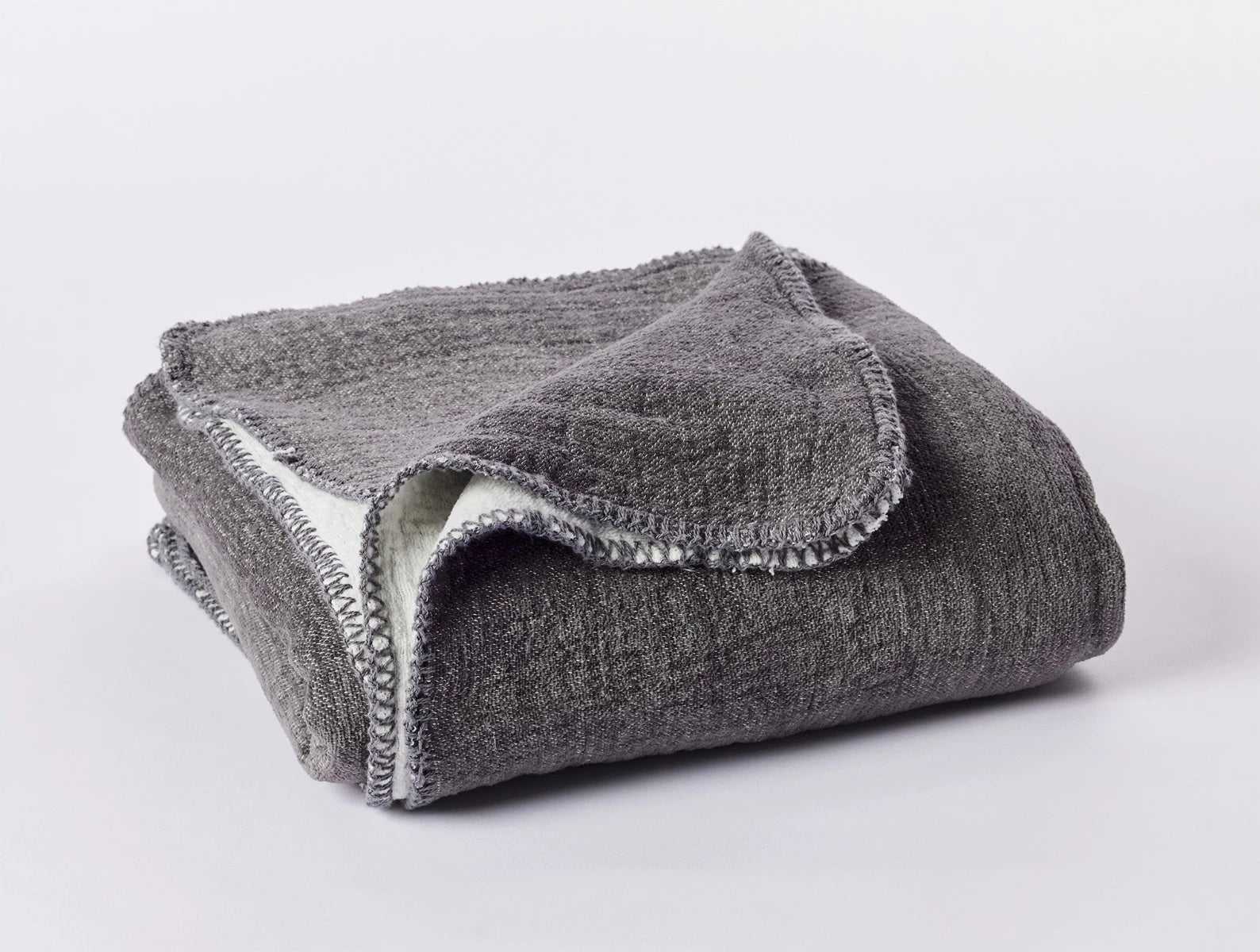
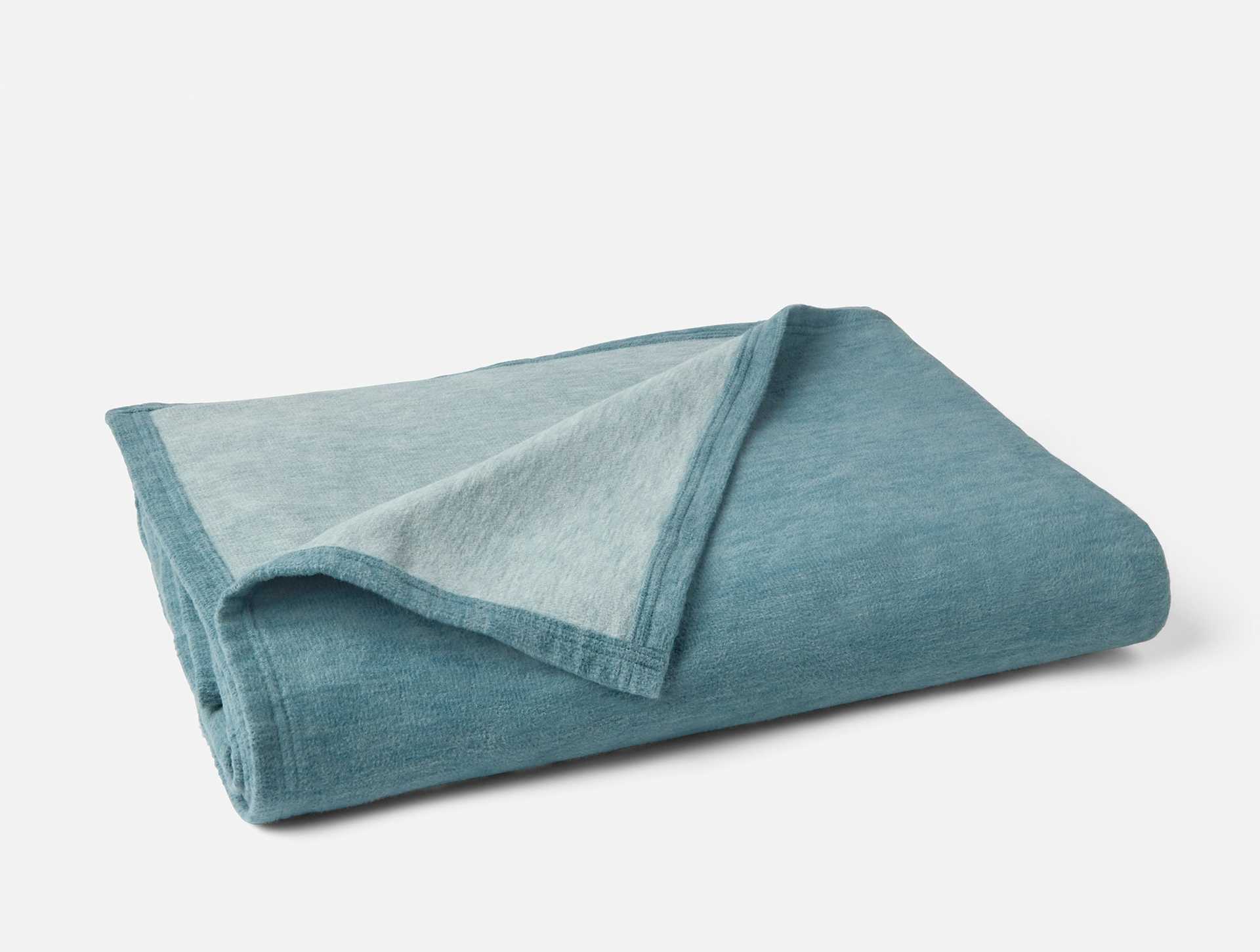
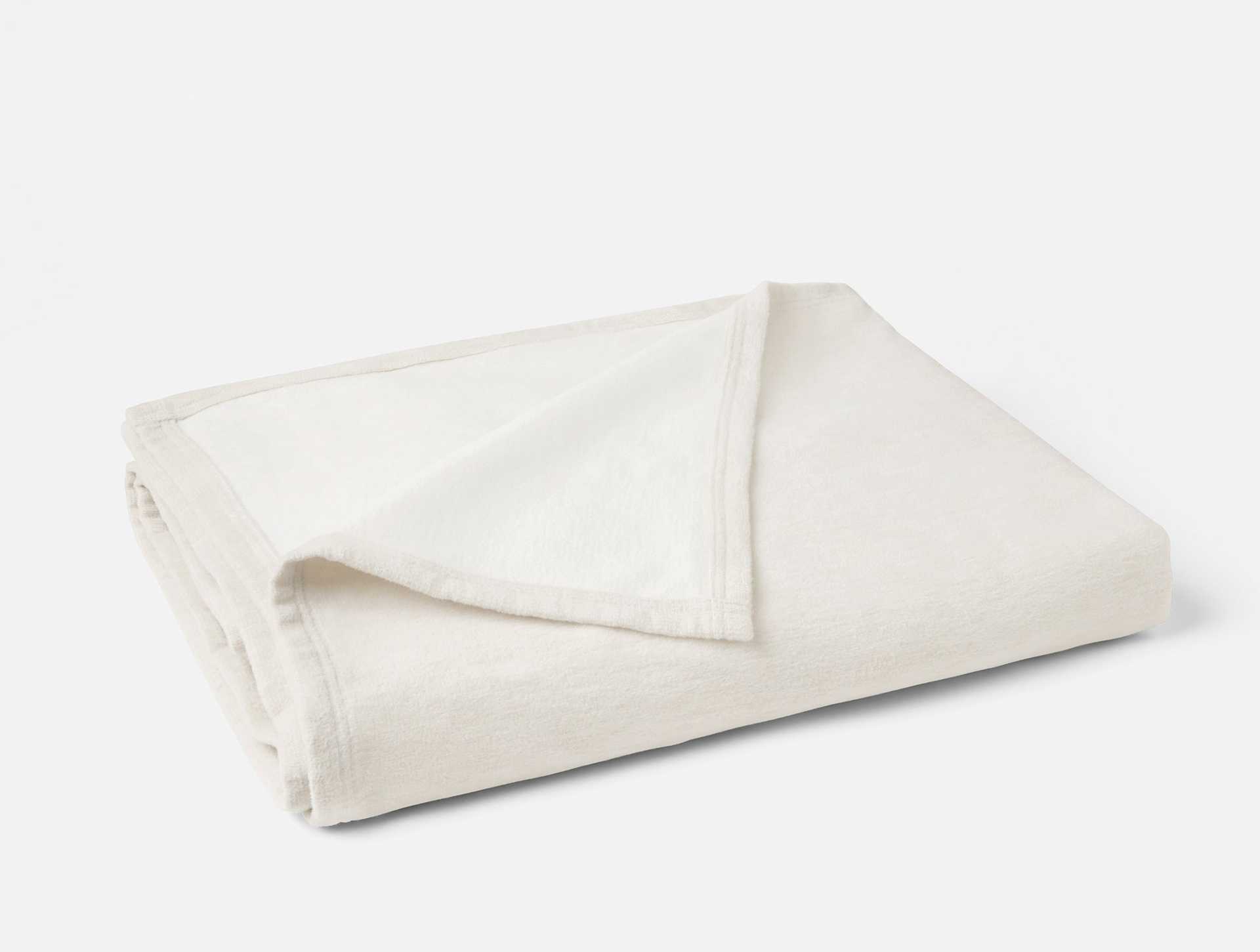
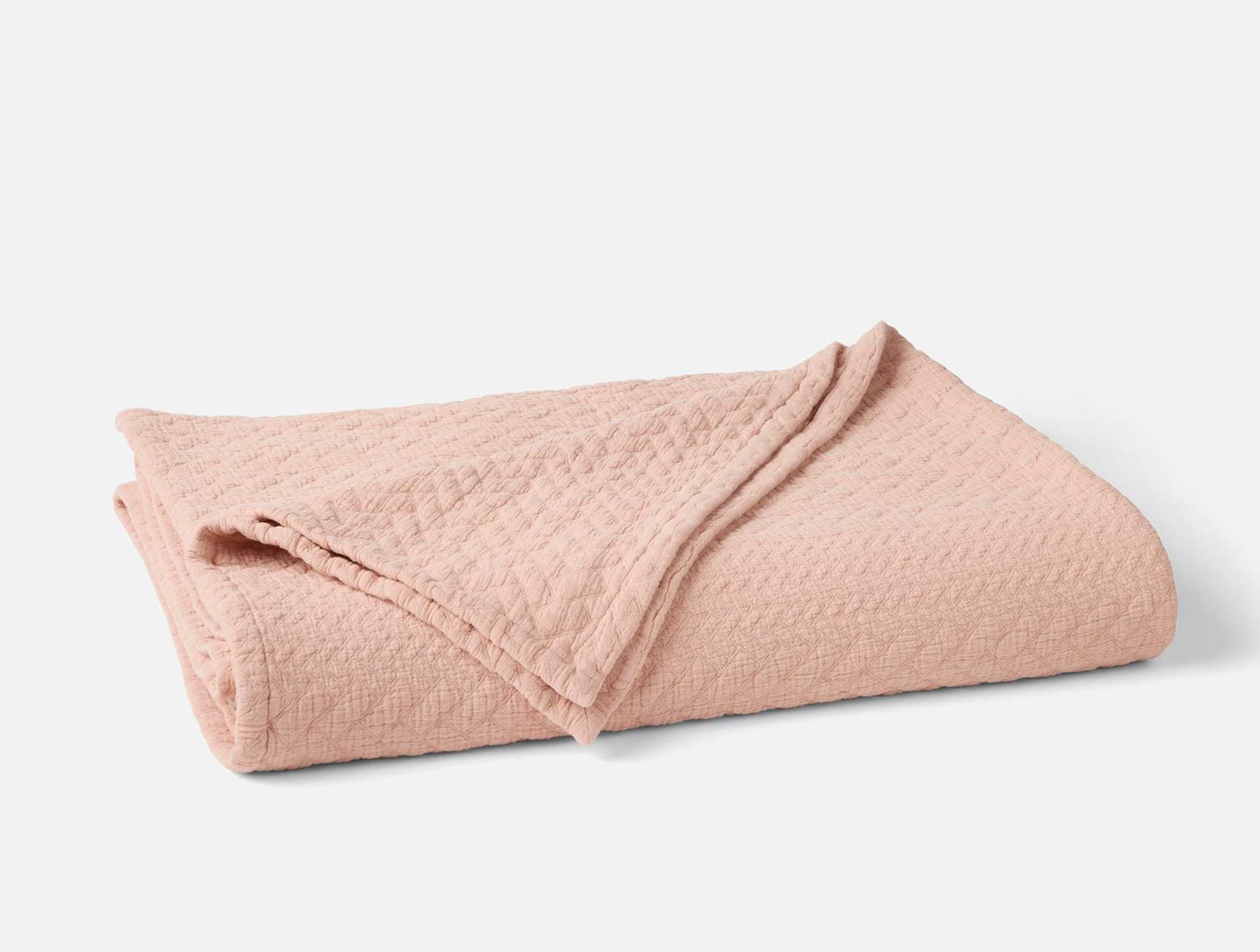
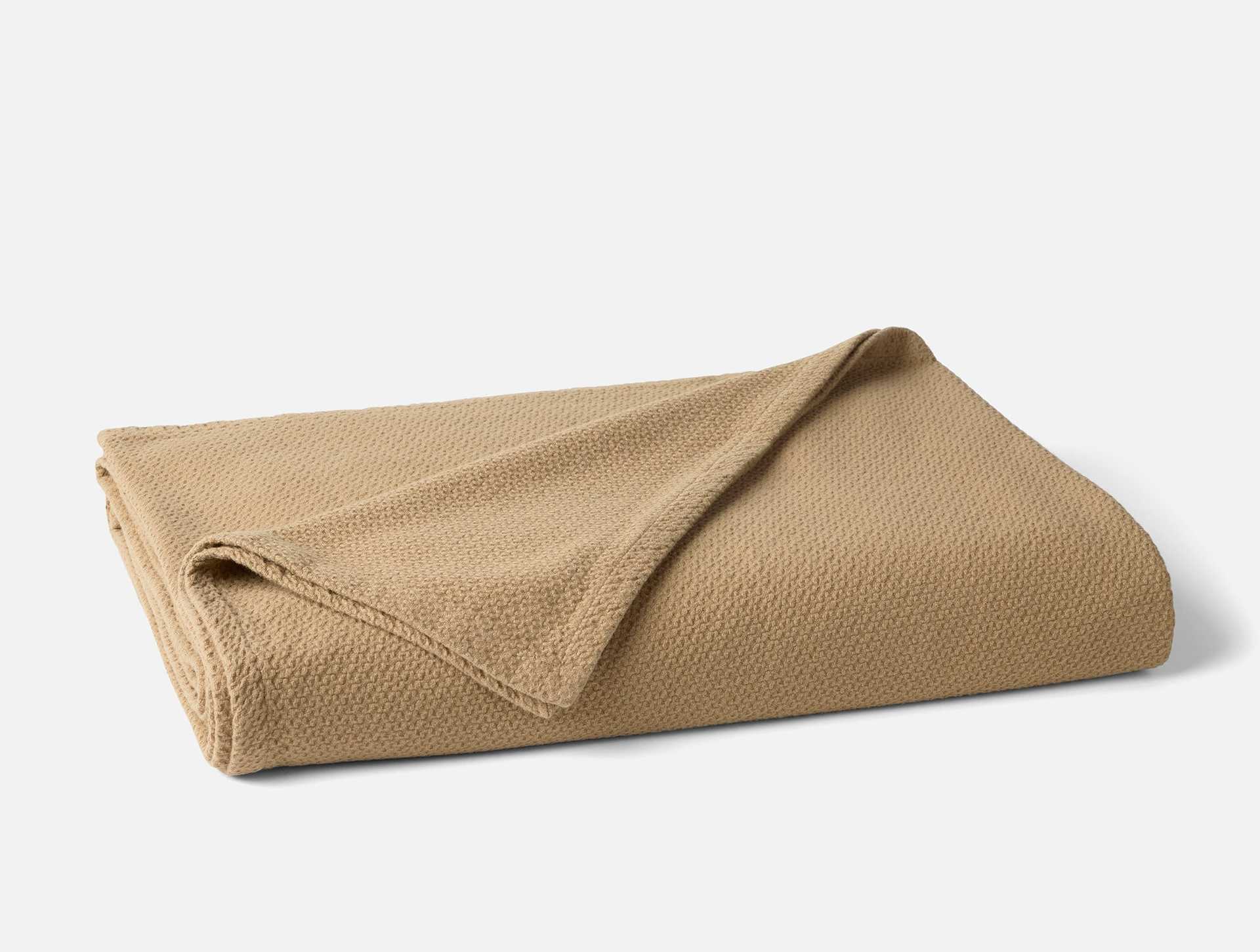
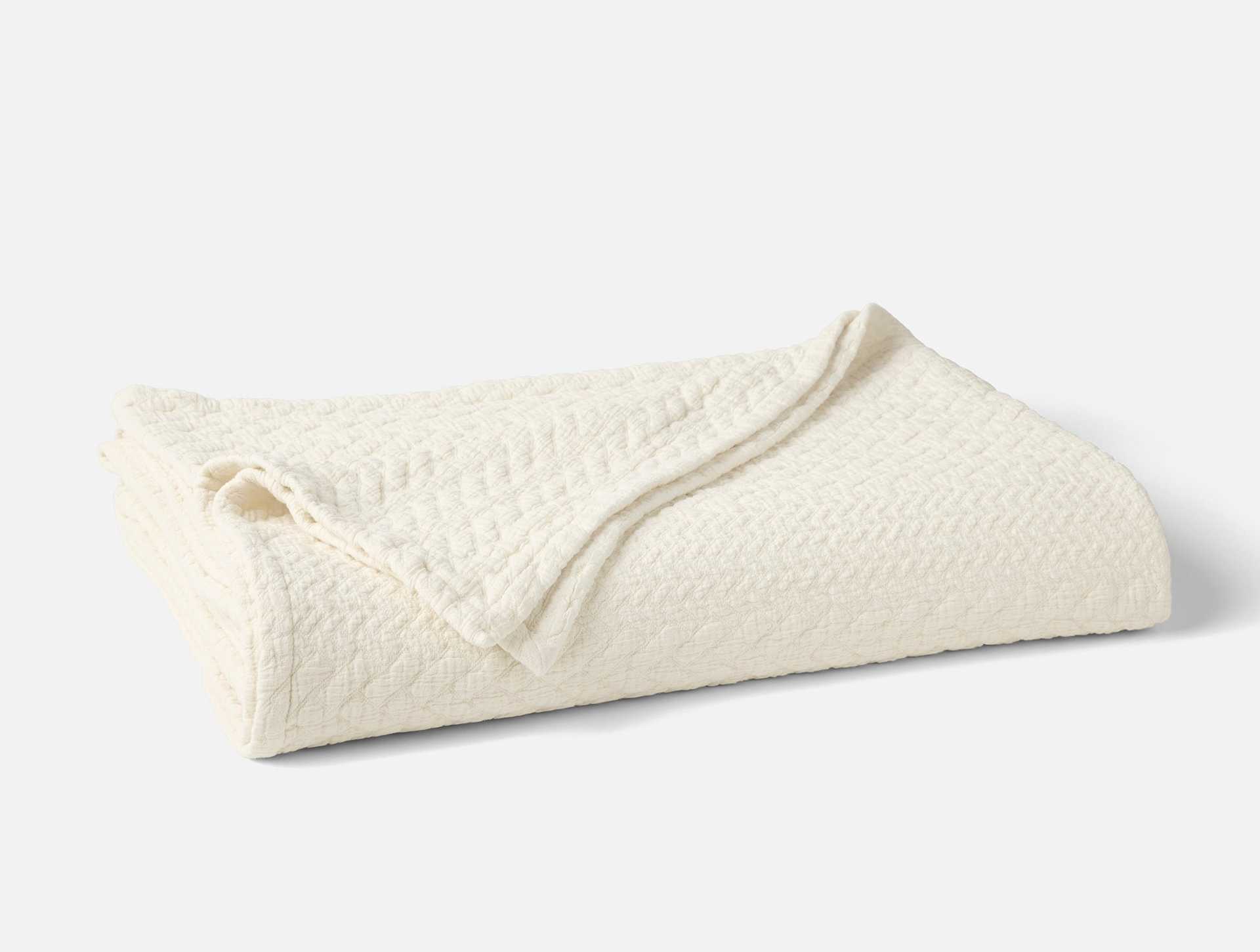
Des Blanket, Tuis Blanket, and Nid Blanket each illustrate distinct design philosophies and functional benefits. Des Blanket emphasizes soft surface feel and even weight distribution for coziness, while Tuis Blanket focuses on breathable fibers that regulate temperature during sleep or lounging. Nid Blanket combines insulating warmth with a compact footprint ideal for compact spaces.
Key features to evaluate include fabric content, weave pattern, weight (often described in tog or GSM), edge finishing, and easy-care instructions. These attributes influence suitability for baby nurseries, dorm rooms, or living areas, as well as compatibility with existing bedding such as sheets, quilts, or throws used in university housing and student apartments.
Functional benefits encompass thermal regulation, moisture management, and durability under repeated laundering. For example, blends may offer a balance between warmth and softness, while pure fibers might prioritize hypoallergenic properties or natural dye stability. Selecting a blanket with appropriate layerability ensures compatibility with blankets & quilts in varied study environments.
In addition to warmth, blankets contribute to room ambiance and tactile comfort. Plain or subtly patterned options can coordinate with bedding and nursery themes without overpowering a design scheme. When considering Des, Tuis, and Nid Blankets, learners and residents can weigh weight, warmth, care needs, and compatibility with bedding accessories such as throws and nursery textiles.
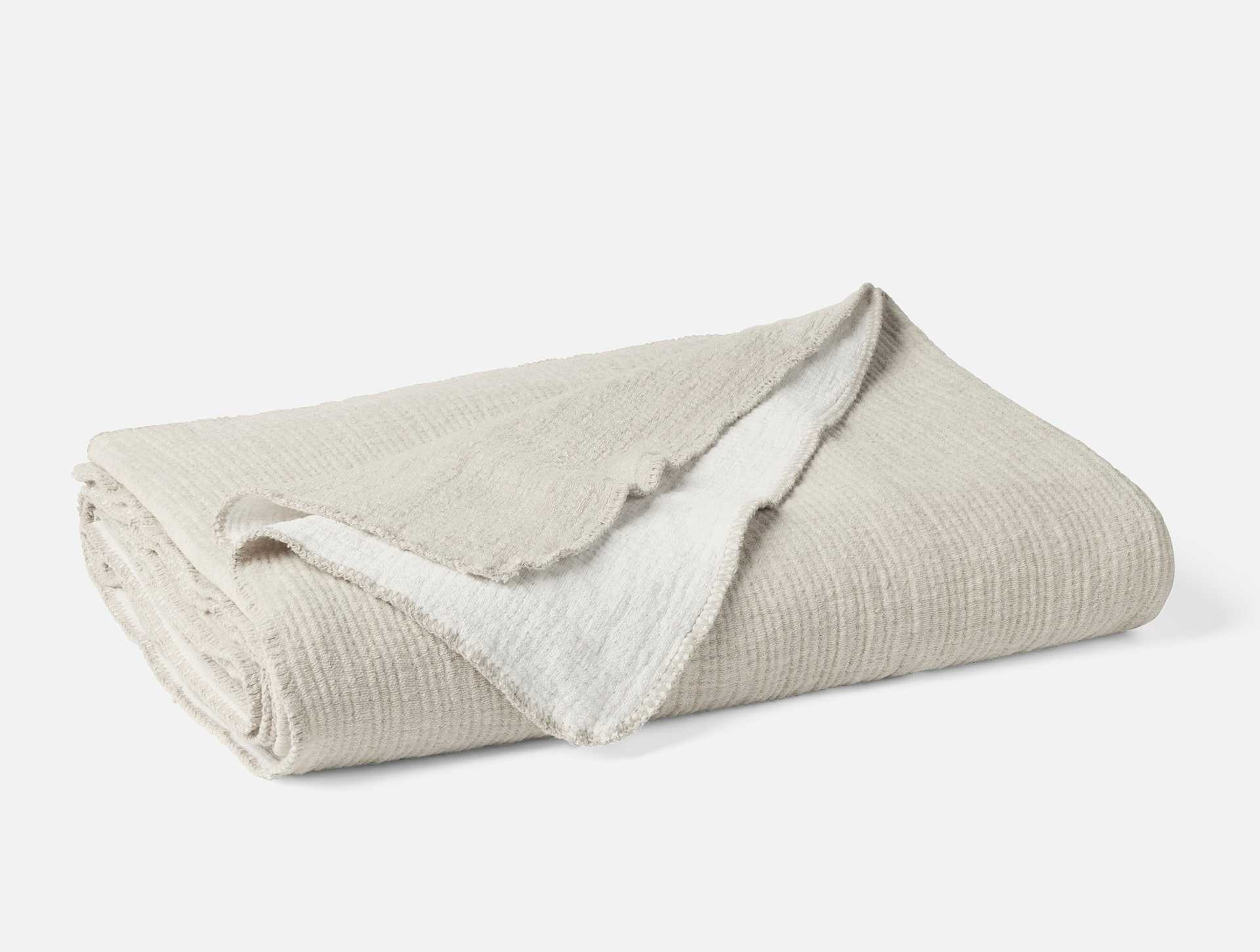 Bedding